
A roof leak needs fast action to stop water damage spreading through your home. This guide explains what to do immediately when a roof starts leaking, how to apply safe temporary fixes, when DIY repairs make sense, and when it’s time to call a team for emergency roof leak repairs. Acting early can prevent structural damage, mould, and expensive repairs later.
Key takeaways
- Control the water first: catch drips, move valuables and release any bulging ceiling safely before anything else.
- Temporary fixes such as a secured tarp or patch tape buy time, but they are never a permanent repair.
- Call a professional roofer if the leak source is unclear, near electrics, on a steep roof, or started in a storm.
- Stopping a leak early is far cheaper than repairing rotten timbers, ruined ceilings and mould later.
Emergency Roof Leak Repair Guide: What to Do Right Away and When to Call a Roofer
A roof leak never shows up at a convenient time. It usually happens during heavy rain, late at night, or when a storm is already causing stress. Water dripping through your ceiling is not just annoying, it can damage insulation, ceilings, electrics, and even the structure of your home if it is not dealt with quickly.
This guide explains what to do immediately, what you can safely do yourself, and when it is time to stop and call a professional roofer.
What should you do immediately when a roof starts leaking?
If your roof is leaking, your first priority is to control the water and protect your home.
Do this straight away:
- Place buckets or containers under drips
- Move furniture and electronics out of the affected area
- Use towels to soak up pooled water
- If the ceiling is bulging, carefully release the water into a bucket to prevent collapse
Do not climb onto the roof during heavy rain, strong wind, or darkness.
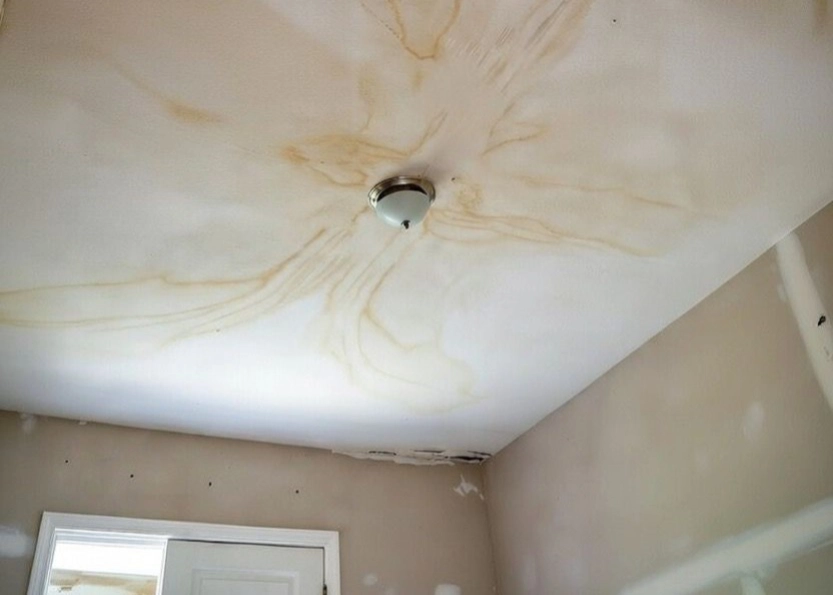
Is a leaking roof an emergency?
Some roof leaks need immediate action, others can be booked in within a short timeframe. What decides it is the severity of the leak, the risk to electrics, and whether the structure of the property is being affected.
Treat it as an emergency if:
- Water is actively dripping into living spaces
- The leak gets worse during rainfall
- Water is near electrical fittings or wiring
- The ceiling is sagging or bulging
- Damp patches are spreading rapidly
- Tiles or ridge sections have come off in a storm
In these situations, delaying repairs can lead to structural damage, electrical risk and ceiling collapse.
It may not be an immediate emergency if:
- It is a slow drip confined to the loft space
- The ceiling is stable
- There is no risk to electrics
- The leak is minor and contained
Even then, do not leave it. A small leak that is ignored becomes a costly repair, and it will not dry out and fix itself.
Why emergency roof leaks need fast action
A roof leak does not stay in one place. Water travels through insulation, timber, and plasterboard.
Delaying repairs can lead to:
- Ceiling damage or collapse
- Rotting roof timbers
- Mould growth
- Electrical hazards
- Much higher repair costs
Stopping the leak early is always cheaper than repairing long-term damage.
Never climb straight onto a wet or damaged roof
This is where people make things worse. If the roof is wet, storm-damaged, or actively leaking during bad weather, stay off it. A slippery surface, loose tiles or a weakened structure turns a roofing problem into a trip to hospital very quickly.
Looking from the ground or from the loft hatch is one thing. Walking around on a damaged roof with no proper access equipment is another. If the leak starts during a storm, do not go outside and try to fix it in the dark or the rain, and do not climb a ladder. Keep the room protected, isolate the electrics if needed, and wait for conditions where the roof can actually be inspected safely.
How do you find the source of a roof leak?
Roof leaks often appear far from where the water enters.
Common leak sources include:
- Cracked, slipped or missing tiles or slates after strong winds
- Damaged ridge or hip tiles
- Failed lead flashing around chimneys, vents, skylights or wall junctions
- Flat roof cracks, splits, blistering or pooling water
- Blocked gutters forcing water under the roof covering
- Worn felt or underlay that has reached the end of its life
- Poor workmanship, where bad detailing shows up years later
- Damage from fallen branches or storm debris
Inside the home, check the loft if it is safe:
- Look for damp insulation
- Follow water stains along timber
- Check for dark staining or daylight showing through
- Watch for drips during rainfall
This usually identifies the general area, even if the exact entry point is outside. In winter, frost makes existing weaknesses worse, and in heavy rain even a small gap can suddenly let a lot of water in.
Take photos before anything changes
If it is safe to do so, photograph the leak and the damage before you start clearing up. That means water coming through the ceiling, damp patches on walls and ceilings, affected belongings, any visible roof damage from the ground, and debris outside.
This helps twice over. It gives the roofer a much better picture of what happened, and if you need to speak to your insurer you have evidence of the damage before any temporary work or cleanup changed the scene.
Can you temporarily fix a roof leak in an emergency?
Yes, temporary fixes can slow or stop water until a proper repair is done.
Short-term emergency options include:
- Covering the area with a secured tarp
- Using roof patch tape or emergency sealant on small cracks
- Applying temporary protection around flashing
- Drying interior areas with fans or dehumidifiers
These are temporary only and should never replace proper repairs.
They are also less simple than they look. A badly secured tarp comes loose in the wind. A patch applied to the wrong area can trap water rather than stop it. And if the damage is larger than it first appears, you can waste time while the leak carries on. Treat a temporary cover as a way to buy a day or two, nothing more.
When is DIY roof leak repair acceptable?
DIY repairs may be reasonable if:
- The leak is small and easy to locate
- Weather conditions are dry and safe
- You can access the area without risk
- The repair involves simple sealing or replacing a small number of tiles
You should not:
- Walk on a pitched roof
- Attempt repairs in wet or windy weather
- Apply sealants in the rain
- Carry out leadwork repairs
- Work near electrics without proper training
If you are unsure, uncomfortable at height, or the leak keeps returning, DIY is not the right choice. Bad DIY repairs usually cost more to undo than the original fault would have cost to fix.
When should you call a professional roofer for a leak?
You should call a professional roofer if:
- The leak source is unclear
- Water is entering near electrical wiring
- The roof is steep, high, or unsafe to access
- The leak started during a storm
- There may be structural damage
- A previous repair has failed
Many roof leaks look minor but hide serious damage beneath the surface.
What will a roofer do in an emergency?
A proper roofer makes the area safe first, then assesses the damage properly. That means checking the roof covering, looking in the loft, identifying the actual point of entry, and deciding whether the job needs a temporary fix now and a full repair later, or can be dealt with in one visit.
Depending on the weather and the type of damage, they may carry out emergency work to stop further water getting in and return to complete the permanent repair. The important part is that the repair deals with the real cause, not just the symptom you can see inside the house.
How long does emergency roof leak repair take?
Typical timelines:
- Temporary emergency protection: 30 to 60 minutes
- Small professional repair: 1 to 3 hours
- Larger repairs: may require follow-up visits
A professional roofer will stop the leak first, then explain what permanent repairs are needed. Our roof repair team covers emergency call-outs across Berkshire and Buckinghamshire, usually the same day.
How much does emergency roof leak repair usually cost?
Emergency roof repair costs vary based on access, roof type, and damage severity.
Typical UK cost ranges:
- Minor leak repair: £100 to £300
- Lead flashing repair: £200 to £500
- Flat roof patch repair: £150 to £400
- Gutter or outlet repair: £100 to £250
- Larger flat roof repair: £400 to £1,200
A slipped tile is a very different job from a split flat roof or a major flashing failure, and access matters just as much. A repair on a single-storey extension is not priced the same as one needing scaffold access on a two-storey property. A full roof replacement is only needed where the roof has reached the end of its life or there is widespread structural damage.
Emergency call-outs during severe weather cost more than planned repairs, but delaying repairs often leads to much higher bills.
Why do roofs leak in heavy rain?
Heavy rain exposes weaknesses that stay hidden during dry spells.
Common reasons include:
- Wind-driven rain being forced into small gaps
- Blocked gutters causing overflow back under the tiles
- Cracked flat roof membranes
- Flashings lifting under pressure
- Valley gutters flooding
- Saturated insulation forcing moisture inside
If your roof only leaks during storms, it still needs repairing. The storm is not the fault, it is just what reveals it.
Does home insurance cover a roof leak?
Sometimes, but not always.
Policies usually cover sudden and unexpected damage, such as storm damage or impact from fallen debris. Most do not cover general wear and tear, ageing materials or lack of maintenance.
That is why documentation matters. If the leak appeared after strong winds or heavy weather, keep a record of when it happened, what damage you found and what temporary steps you took, and back it up with photos. A professional inspection report can help support a claim. If you are unsure, speak to your insurer and your roofer rather than assuming you are covered.
How can you prevent future roof leaks?
The best way to avoid emergency leaks is routine maintenance.
Simple prevention steps:
- Inspect your roof from the ground after storms
- Clear gutters and downpipes regularly
- Check flashing and seals once a year
- Keep an eye on the leadwork and chimney areas
- Deal with slipped or cracked tiles early
- Check the loft after storms or heavy rain
- Address small issues before winter
- Schedule professional roof inspections, especially on older roofs
Most emergency leaks start as small problems that were ignored.
Emergency roof leak repair summary
If your roof is leaking:
- Control the water immediately
- Avoid unsafe DIY repairs
- Use temporary protection if needed
- Arrange a professional inspection as soon as possible
Quick action limits damage and reduces repair costs.
Need urgent help with a roof leak?
Alliance Roofing & Building provides emergency roof leak repair and professional roof inspections. If your roof is leaking and you are unsure what to do next, our team can assess the issue and stop the damage before it gets worse.
Use the contact form below to request urgent assistance or advice.