
A new pitched roof in Buckinghamshire usually costs between £5,000 and £15,000, with most 3-bed semi-detached houses costing around £5,000 to £7,500 for a standard concrete tile roof. The final price depends on the roof size, materials used, access for scaffolding, labour costs in the South East, and whether hidden problems like rotten timber are discovered once the old roof is removed.
Key takeaways
- A new pitched roof in Buckinghamshire typically costs between £5,000 and £15,000.
- A standard concrete tile roof on a 3-bed semi usually lands around £5,000 to £7,500.
- Roof size, materials, scaffolding access and South East labour rates are the main cost drivers.
- Hidden issues such as rotten timber, found once the old roof is stripped, can push the price up.
Replacing a roof is one of the biggest maintenance jobs most homeowners will face. Naturally, the first question people ask is simple:
How much is this going to cost?
For homeowners using our roofers in Buckinghamshire, a full roof replacement usually costs somewhere between £5,000 and £15,000. Smaller roofs will sit at the lower end, while larger homes or premium materials such as slate can push the price much higher.
For a typical 3-bedroom semi-detached house, a new concrete tile roof often lands around £5,000 to £7,500, assuming the roof structure underneath is still in good condition.
The reason the range is so wide is because every roof is different. Size, materials, labour, scaffolding, and the condition of the roof underneath all affect the final price.
This guide explains what actually drives roofing costs and what homeowners in Buckinghamshire should expect.
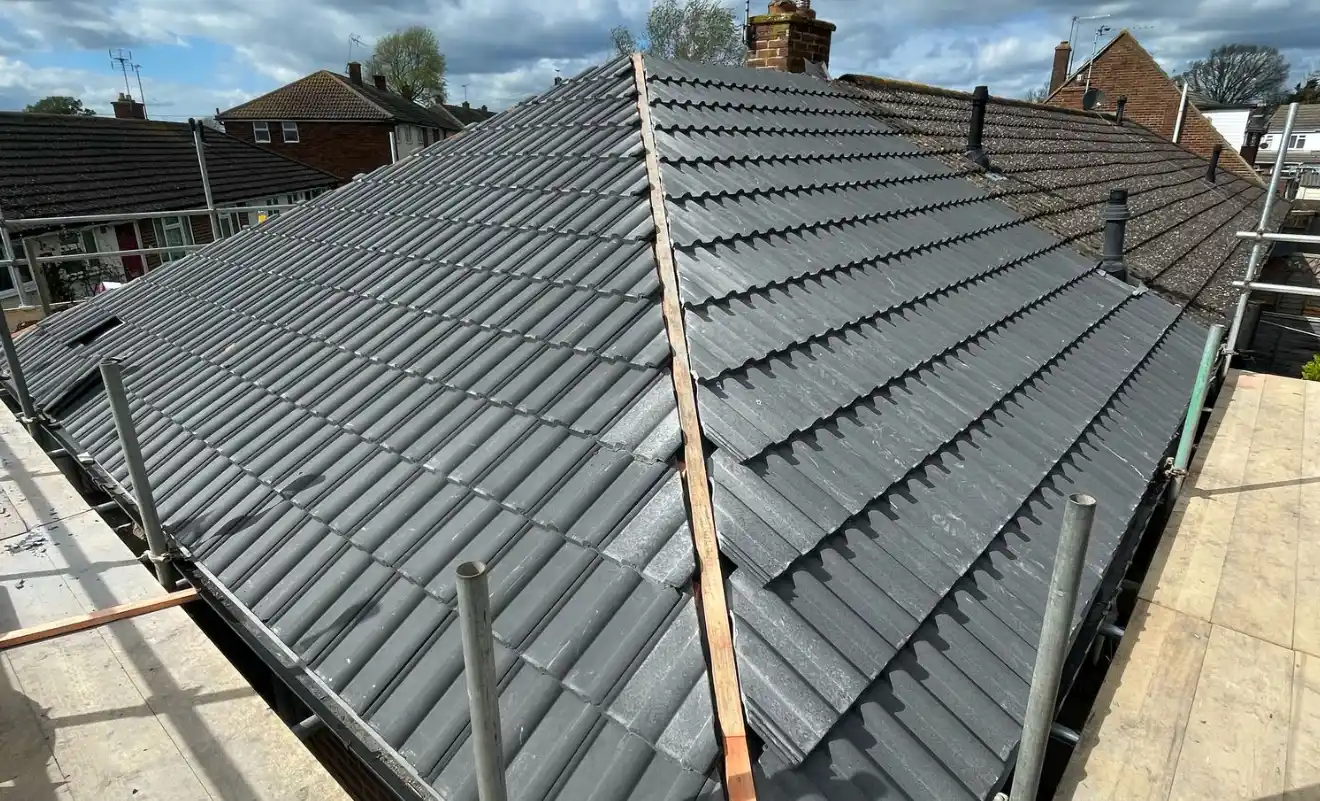
What Affects the Cost of a New Roof?
Several factors influence the cost of replacing a roof. Some are obvious, while others only become clear once work begins.
Roof Size and Shape
The size of the roof is usually the biggest factor affecting the price.
A small terraced house roof will cost far less than a large detached property. But shape also matters.
Roofs with features such as:
- dormer windows
- skylights
- chimneys
- valleys
- hips
take longer to install and require more labour. More complex designs also create more material waste.
A simple pitched roof is always quicker and cheaper to replace than a complicated one.
Roofing Materials
The material used has a large impact on price and lifespan.
Common roofing materials include:
Concrete tiles
One of the most common choices. Durable and affordable.
Clay tiles
More traditional in appearance and slightly more expensive.
Natural slate
More expensive upfront but extremely long lasting.
Flat roofing systems
Often used on extensions or garages, typically made from felt, EPDM rubber, or GRP fibreglass.
Each option comes with different costs and life expectancies.
Average Cost Per Square Metre
Roofers often estimate projects based on the size of the roof area.
Typical installed prices in Buckinghamshire can fall around:
Concrete tile roof: £90 – £170 per m²
Slate roof: £120 – £250 per m²
Flat roof systems: £50 – £130 per m²
This is only a rough guide, as complexity and materials can change the final quote.
Average New Roof Costs in Buckinghamshire
Below are typical price ranges homeowners might see locally.
Pitched Roof with Concrete Tiles
Terraced house
£5,000 – £6,500
Semi-detached house
£5,000 – £7,500
Detached house
£7,500 – £12,000+
Slate Roof Replacement
Semi-detached property
£8,000 – £14,000
Large detached homes
£14,000 – £20,000+
Slate roofs cost more initially but can last well over 100 years when installed properly.
Flat Roof Replacement
Garage or small extension
£1,500 – £4,000
Larger flat roof areas
£4,000 – £7,000
Modern flat roof materials such as GRP or EPDM generally last longer than traditional felt systems.
Typical Cost Breakdown for a Buckinghamshire Semi-Detached House
To give a clearer idea, here is a rough breakdown for a standard semi-detached house.
Materials (tiles, battens, membrane)
£2,000 – £3,000
Labour
£1,500 – £2,500
Scaffolding
£800 – £1,500
Waste removal and skip hire
£300 – £600
Estimated total
£5,000 – £7,500
Prices increase if structural repairs are needed or if premium materials are chosen.
What Can Increase the Price?
Several things can push the price higher than expected.
Structural Repairs
Sometimes damaged rafters or rotten timber are discovered once the old roof is removed.
Premium Roofing Materials
Slate or clay tiles are more expensive than standard concrete tiles.
Chimney Work
Lead flashing or chimney repairs often need attention during roofing work.
Roof Complexity
Dormers, skylights, and multiple roof sections increase labour time.
Insulation Upgrades
Building regulations may require insulation improvements when large areas of roof are replaced.
Roof Lifespan by Material
Understanding how long different roofing materials last helps homeowners compare long-term value.
Concrete tiles
30 – 50 years
Clay tiles
50 – 60 years
Slate
80 – 100+ years
Felt flat roof
10 – 20 years
GRP or EPDM flat roof
25 – 30 years
Longer-lasting materials often cost more upfront but may require fewer repairs over time.
Signs You May Need a New Roof
Many homeowners research roof replacement costs when they are unsure whether they actually need one.
Common warning signs include:
- repeated roof leaks
- missing or cracked tiles across large areas
- daylight visible in the loft
- sagging roof lines
- damaged or deteriorating underlay
- roof age exceeding 20–25 years
If several of these problems appear at once, a full replacement may be more practical than ongoing repairs.
Common Roofing Situations in Buckinghamshire Homes
Buckinghamshire has a wide mix of housing types, and that affects roofing work.
1930s Semi-Detached Houses
These homes are common across the county and often need tile replacement and updated underlay.
Older Village Properties
Period homes frequently use slate or clay tiles and sometimes require specialist work.
Modern Detached Homes
Newer developments often have larger, more complex roof designs, which increases labour and scaffolding costs.
How Long Does a Roof Replacement Take?
Most full roof replacements take 3 to 5 working days.
However, timing depends on:
- weather conditions
- roof size
- complexity of the roof design
- any structural repairs discovered during the work
Large or complex roofs may take closer to a week.
Do You Need Planning Permission for a New Roof?
In most cases, planning permission is not required if the new roof matches the existing design and materials.
However, permission may be needed if:
- the property is listed
- the house is in a conservation area
- the roof design is significantly changed
Building regulations may still apply when large areas of roof are replaced.
Getting an Accurate Roof Quote
Online price guides can only give rough estimates.
A proper roofing quote should involve an inspection of:
- the roof exterior
- the loft space where possible
- property access
- scaffold requirements
- potential structural issues
Clear quotes should also explain what is included, such as materials, labour, scaffolding, and waste removal.
Final Thoughts
Roof replacement costs in Buckinghamshire vary because every property is different.
While many homeowners will spend somewhere between £5,000 and £15,000, the final price depends on the roof size, materials used, labour, and the condition of the structure underneath.
If you are unsure whether your roof needs repairs or a full replacement, the best step is to have the roof inspected properly.
Alliance Roofing & Building can assess the condition of your roof and provide a clear quote so you know exactly what work is needed before any problems become worse.