
If your roof starts leaking, the first priority is safety. Do not climb onto the roof in bad weather or try to carry out a rushed repair. Contain the water inside, protect belongings, check for signs of damage from a safe position, and arrange urgent roof leak repairs as soon as possible. A temporary fix may help limit damage, but it is not a replacement for a proper repair.
Key takeaways
- Protect the inside first: catch the water, move valuables and isolate electrics if it is safe to do so.
- Stay off a wet, storm-damaged or actively leaking roof, inspect only from the ground or a loft hatch.
- Take photos before any cleanup, both for the roofer and for any insurance claim.
- Call a roofer early, a slipped tile is far cheaper to fix than rotten timbers and ruined ceilings.
Emergency Roof Leak Repair Guide
A leaking roof is never something to brush off and deal with later.
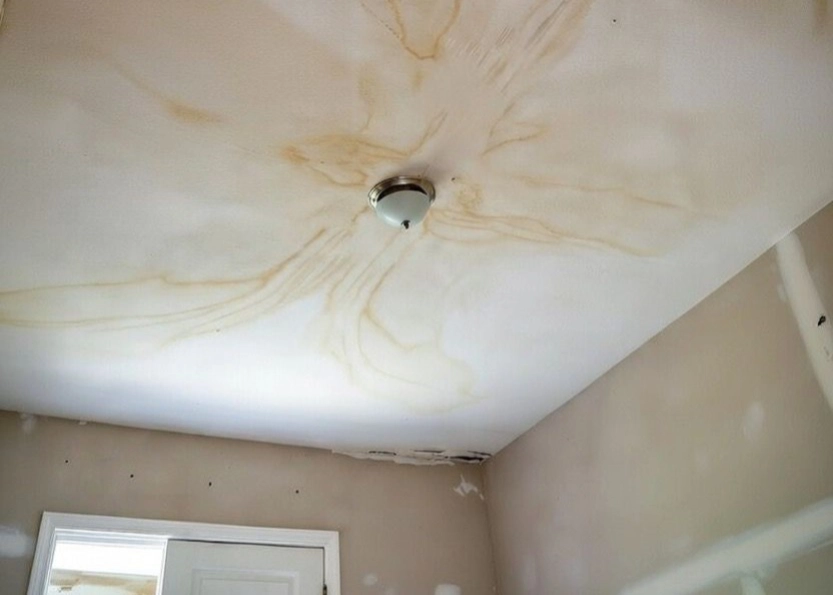
Even a small leak can spread quickly through insulation, ceiling plaster, timbers, and electrics. What starts as a drip into a bucket can turn into stained ceilings, rotten wood, mould, and a much more expensive repair if it is left too long.
The good news is that the first steps are usually simple. You do not need to panic, but you do need to act quickly and sensibly.
This guide explains what to do when you spot a roof leak, what not to do, and when it is time to stop guessing and get a roofer involved.
What should you do first when your roof starts leaking?
The first thing to do is protect the inside of the property.
If water is coming through the ceiling, place a bucket, bowl, or any container underneath the drip. If the leak is spreading rather than dripping from one point, use towels or plastic sheeting to stop water reaching carpets, flooring, and furniture. Move anything valuable out of the area, especially electrical items.
If water is coming near light fittings, sockets, or wiring, do not take chances. Turn off the electricity to that part of the property if it is safe to do so.
Once the immediate damage inside is under control, take a breath and start looking at the likely cause from a safe position.
Do not climb straight onto the roof
This is where people make things worse.
If the roof is wet, storm-damaged, or actively leaking during bad weather, stay off it. A slippery roof, loose tiles, or weakened roof structure can turn a roofing problem into a trip to hospital very quickly.
It is one thing to look from the ground or from a loft hatch. It is another thing entirely to try walking around on a damaged roof with no proper access equipment.
If you are not trained or equipped to do it safely, leave the roof itself alone.
Try to work out where the leak is coming from
You will not always be able to pinpoint it exactly, because water often travels before it appears indoors. But you can usually narrow it down.
Start inside the loft if you have one. Look for damp patches, wet timbers, dark staining, or daylight showing through. If the insulation is wet in one area, that can also point you in the right direction.
From the ground outside, look for obvious signs such as:
- missing or slipped tiles
- damaged ridge tiles
- loose flashing around chimneys
- overflowing gutters
- sagging roof areas
- debris or fallen branches
On flat roofs, signs of trouble may include standing water, splits in the surface, bubbling felt, or obvious damage around edges and outlets.
You are not trying to carry out a full diagnosis here. You are just trying to understand whether this looks like a minor issue or something more serious.
Take photos before anything changes
If it is safe, take photos of the leak and any visible damage.
That includes:
- water coming through the ceiling
- damp patches on walls or ceilings
- affected belongings
- visible roof damage from the ground
- debris or fallen materials outside
This helps for two reasons. First, it gives the roofer a better picture of what has happened. Second, if you need to speak to your insurer, you have evidence of the issue before any temporary work or cleanup changes the scene.
Can you do a temporary repair yourself?
Sometimes, but only if it can be done safely and without making the problem worse.
Inside the house, temporary action is straightforward. Catch the water, protect surfaces, move items away, and keep the area ventilated if possible.
Outside, things get more risky.
Temporary repairs like covering a damaged section with a tarp or applying sealant to a small flat roof split can help in some situations, but they are not always as simple as people think. A badly secured tarp can come loose in wind. A quick patch applied to the wrong area can trap water rather than stop it. And if the roof damage is larger than it first appears, you may end up wasting time while the leak continues.
If the leak is minor, the weather is calm, and the damaged area is safely accessible, a temporary covering may buy you a bit of time. But it should only ever be treated as a short-term measure.
Common causes of emergency roof leaks
Leaks usually happen for a reason. Some are sudden, while others are the result of something that has been slowly failing for a while.
Common causes include:
- missing or broken tiles after strong winds
- failed lead flashing around chimneys or walls
- blocked gutters causing water to back up
- damaged ridge tiles
- splits in flat roofing membranes
- worn felt or underlay
- old roof coverings reaching the end of their life
- damage caused by fallen branches or debris
In winter, frost can make existing weaknesses worse. In heavy rain, even a small gap can suddenly start letting a lot of water in.
What if the leak happens during heavy rain?
This is when most people panic.
If the leak starts during a storm or while rain is still coming down, your main job is to limit internal damage and stay safe. Do not go outside and start trying to fix it in the dark or in the rain. Do not climb a ladder. Do not assume you can just throw something over the area and deal with it.
Keep the room protected, isolate electrics if needed, and wait for conditions where the roof can actually be inspected safely.
A lot of emergency roof leaks look worse during the rain than they do once the water is contained, but the damage can still be serious. Heavy rain is exactly when poor decisions get made. Better to keep the house as protected as possible and get a proper repair arranged quickly.
When should you call a roofer?
The short answer is, sooner than you think.
You should call a roofer straight away if:
- water is actively getting into the property
- more than one area appears damaged
- tiles or ridge sections have come off
- the ceiling is bulging
- there are signs of sagging on the roof
- the leak is near electrics
- the roof has been damaged by a storm or falling branch
- you have tried a temporary fix and it has not worked
A roof leak is one of those problems that rarely improves on its own. Waiting to see if it dries out is usually how a manageable repair turns into a bigger one.
What will a roofer do in an emergency?
A proper roofer will first make the area safe and assess the damage properly.
That may include checking the roof covering, looking in the loft, identifying the point of entry, and working out whether the problem needs a temporary fix first or a full repair straight away.
Depending on the weather and the type of damage, they may carry out emergency work to stop further water ingress and then return to complete the permanent repair. Or, if conditions allow, they may fix the issue there and then.
The important thing is that the repair deals with the actual cause, not just the visible symptom inside the house.
How much do emergency roof leak repairs cost?
There is no single fixed price because it depends on what has failed.
A slipped tile is very different from a split flat roof or major flashing failure. Access also matters. A simple repair on a single-storey extension is not priced the same as a job needing scaffold access on a two-storey property.
As a rough guide, smaller emergency repairs may cost a few hundred pounds, while more serious work can run much higher, especially if internal damage or structural issues are already involved.
That is exactly why acting early matters. The sooner the leak is dealt with, the less chance there is of the repair growing into something larger.
Will home insurance cover a roof leak?
Sometimes, but not always.
Insurance is more likely to help where the damage is linked to a sudden event, such as storm damage or impact from debris. It is less likely to cover long-term wear and tear, neglect, or old age.
That is why good documentation matters. If the leak appeared after strong winds or heavy weather, take photos and keep records of when it happened, what damage you found, and what temporary steps were taken.
If you are unsure, speak to your insurer and your roofer. The key thing is not assuming you are covered without checking.
How can you reduce the risk of future leaks?
Some roof leaks cannot be predicted, especially after severe weather. But plenty of them can be avoided with basic maintenance.
That includes:
- checking the roof from the ground a few times a year
- clearing gutters and downpipes
- dealing with slipped or cracked tiles early
- keeping an eye on leadwork and chimney areas
- inspecting the loft after storms or heavy rain
- having older roofs checked before problems show indoors
Most serious leaks start as smaller problems that were there all along. Catching them early is always cheaper than waiting for water to come through the ceiling.
Final thoughts
A roof leak is never convenient, but it does not need to become a disaster.
The key is to act quickly, keep things safe, and avoid doing something rushed that makes the situation worse. Protect the inside of the house, take photos, stay off the roof unless it is genuinely safe to access, and get a roofer involved before the damage spreads.
A temporary fix may help in the short term, but proper repairs are what stop the problem coming back.
Need help with a leaking roof?
If your roof is leaking and you need clear advice on the next step, Alliance Roofing & Building can inspect the problem, explain what has failed, and carry out the roof repair needed to stop further damage across Berkshire and Buckinghamshire. Whether it is storm damage, a slipped tile, flashing failure, or a flat roof issue, getting it checked early is always the better move.