
A roof repair is one of those jobs where “saving money” can quickly turn into paying twice, especially if you miss the real cause of a leak or patch it in a way that fails in bad weather. This guide breaks down when DIY roof repairs are genuinely reasonable (small, accessible fixes with low risk), when you should call a professional roof repair team (leaks, storm damage, recurring issues, anything structural), and the real costs people forget to factor in, including safety, tools, time, and warranty cover.
Key takeaways
- DIY only makes sense for very small, low-risk, easily reached fixes, never for leaks, storm damage or structural issues.
- Roof work is one of the most dangerous DIY jobs in the UK, so safety equipment and experience matter more than the kit you can buy.
- A job done properly once is usually cheaper than a failed DIY patch you have to pay a roofer to put right.
- For anything beyond a single slipped tile, our professional roof repair team can diagnose the real cause and guarantee the work.
When something goes wrong with your roof, the first instinct for many homeowners is to ask, “Can I fix this myself?”
With videos online and DIY stores full of materials, it can feel tempting to save money and give it a go. Sometimes that’s fine. Often, it’s not.
This guide walks through when DIY roof repairs make sense, when they don’t, and how to decide before a small issue turns into a bigger problem.
Start by assessing the scope of the roof repair
Before thinking about tools or costs, you need to understand what you’re dealing with.
Ask yourself:
- Is the issue small and easy to reach, or spread across a wider area?
- Is there visible water damage inside the property?
- Has the problem happened once, or keeps coming back?
- Was it caused by a recent storm, or general wear over time?
A single slipped tile is very different from an ongoing leak or sagging roofline. The bigger or more persistent the issue, the less suitable DIY becomes.
Evaluate your skills and experience honestly
Roofing looks simple until you’re up there. It’s not the same as painting a room or fitting shelves.
Assess your understanding of roofing methods
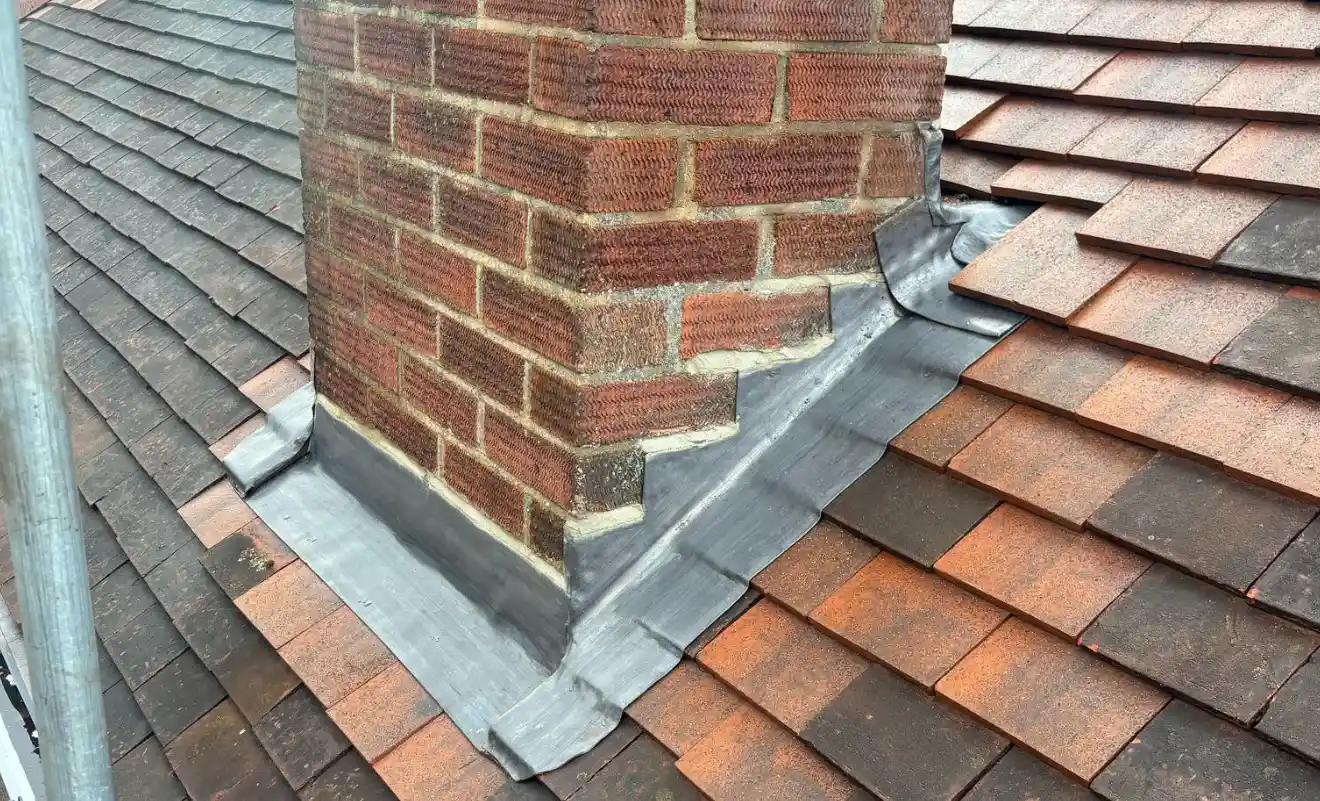
Different roofs behave differently. Tiled roofs, slate roofs, flat roofs, and leadwork all require specific techniques. Knowing how to spot a problem is not the same as knowing how to fix it properly.
If you don’t understand how water is supposed to run off a roof, or how layers work together, repairs can fail quickly.
Consider your previous DIY projects
Be honest. Have you completed similar work successfully before, or are you guessing?
Roof repairs demand accuracy. Small mistakes can let water in, and once water finds a route, it will keep using it.
Safety is not optional
Roof work is one of the most dangerous DIY jobs in the UK.
Common risks include:
- Falls from ladders or roof edges
- Slipping on wet or mossy surfaces
- Handling heavy materials at height
- Sudden weather changes
Professionals use harnesses, roof ladders, scaffolding, and safety systems because they work at height every day. Most homeowners don’t have that setup, or the experience to use it safely.
If you’re uncomfortable with heights, DIY roofing is not worth the risk.
Calculating the real cost
DIY often looks cheaper at first. It rarely stays that way.
DIY costs to consider
- Materials bought at retail prices
- Tools you may only use once
- Waste disposal
- Your time
- Fixing mistakes if the repair fails
Professional repair costs
- Labour
- Materials sourced at trade prices
- Correct installation the first time
- Warranty on workmanship
- Insurance cover if something goes wrong
A repair done properly once is usually cheaper than doing it twice.
Advantages and disadvantages of DIY roof repairs
Possible advantages
- Lower upfront cost for very small jobs
- Immediate action for minor, visible issues
- Sense of control over the work
Real disadvantages
- High safety risk
- Easy to miss underlying damage
- Temporary fixes that fail in bad weather
- No warranty
- Potential to void existing roof guarantees
DIY repairs are best limited to very minor, non-structural issues, and even then, with caution.
Advantages and disadvantages of professional roof repairs
Advantages
- Accurate diagnosis of the real problem
- Proper materials and fixings
- Faster completion
- Safe working practices
- Workmanship guarantees
- Advice on whether repair or replacement makes more sense
Disadvantages
- Higher upfront cost
- May need to book in advance
For leaks, repeated issues, storm damage, or anything structural, booking a professional roof repair is almost always the smarter choice. If you are weighing it up, our roof repair service covers everything from a single slipped tile to recurring leaks across Berkshire and Buckinghamshire.
Common questions homeowners ask
Can I temporarily fix a roof issue myself?
Yes, sometimes. Covering a small leak with a temporary waterproof sheet or sealant can help in an emergency. Just remember, temporary fixes are not solutions and should not be left long-term.
How long does a DIY roof repair usually take?
Anywhere from a few hours to several days, depending on experience and weather. Professionals usually complete the same work much faster.
Do professionals help with insurance claims?
Yes. A professional report and photos often make insurance claims smoother after storm damage.
Are there legal or building regulation issues?
Some roof work must meet building regulations, especially if a large area is affected. Professionals know what applies. DIYers often don’t.
So, which option is right for you?
DIY roof repairs only make sense if:
- The issue is very small
- The area is safe and easy to access
- You understand what you’re fixing
- You accept the risk
Professional roof repairs are the better option if:
- There’s a leak
- Damage keeps returning
- The roof structure may be affected
- You value safety and long-term results
For most homeowners, roofing is not the place to experiment.
Final thought and next step
Your roof protects everything underneath it. Guesswork and shortcuts usually cost more in the long run.
If you’re unsure whether your issue is suitable for DIY or needs professional attention, the safest move is to have it checked properly. At the end of this page, you’ll find a contact form to arrange an inspection and get clear, practical advice before the damage gets worse.